
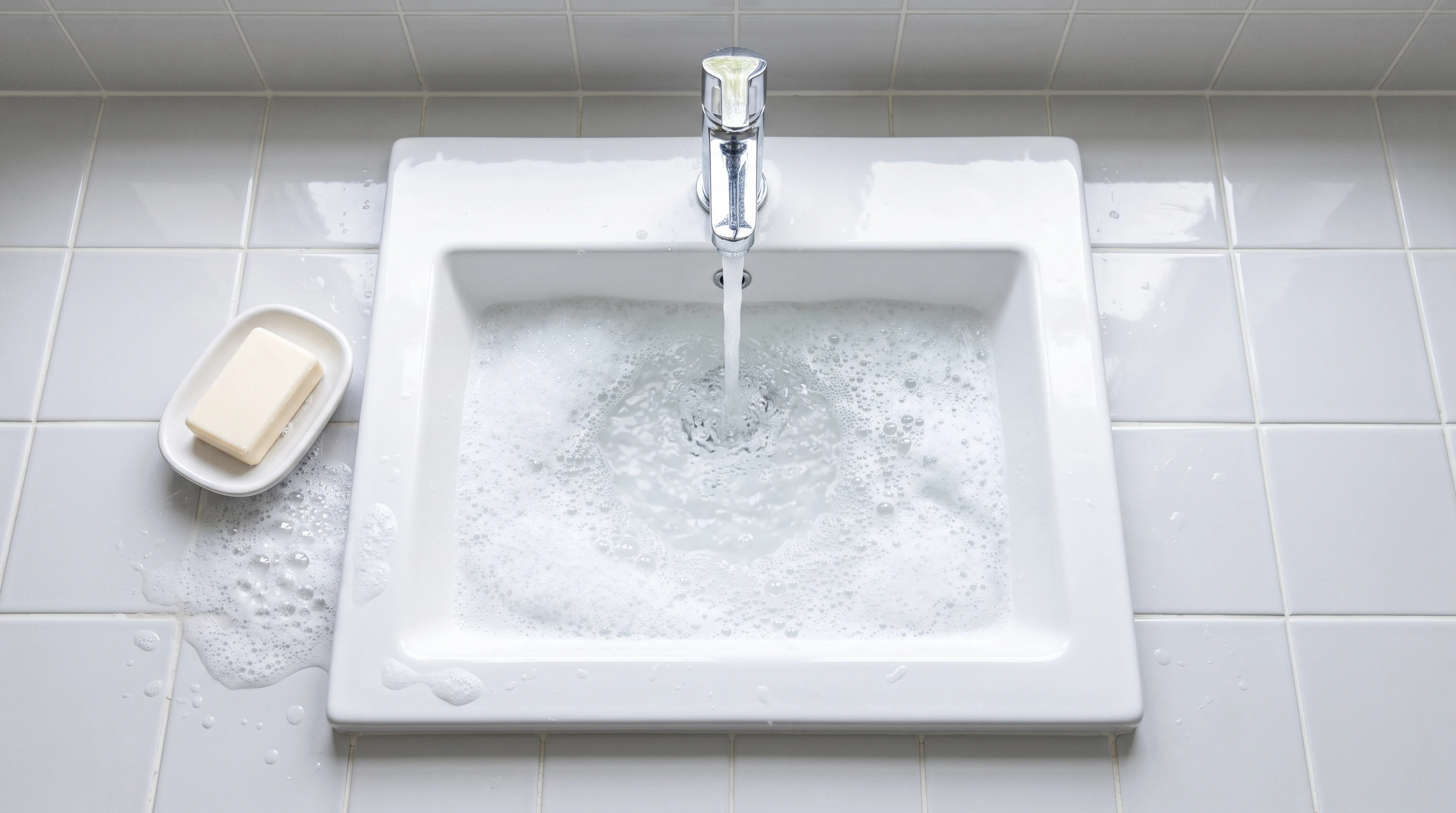
 Hand washing is one of the most reliable ways I use to keep myself and others healthy. In the United States, hand washing standards are taken seriously in places like restaurants, healthcare facilities, schools, and even at home. These standards are based on research showing that regular, thorough hand washing helps reduce the spread of germs, bacteria, and viruses that cause sickness.
Sometimes I notice people skip soap or rush through washing, which defeats the purpose. The Centers for Disease Control and Prevention (CDC) and other official groups provide clear guidelines to help everyone wash their hands correctly. Knowing how to wash hands properly and understanding why each step matters keeps my family, coworkers, and community safer.
This guide explains the current hand washing standards in the United States and details a step-by-step process you can use right now. These tips also work for those who might be new to these guidelines or need a quick refresher. If you’ve ever wondered whether you’re cleaning your hands effectively, this guide will help you get a clearer idea of what works and why.
Recognizing When to Wash Hands
Before thinking about the steps, I pay attention to the key moments when hand washing is most important. These are times when germs are likely to move from surfaces, objects, or other people onto my hands. Here are the most common situations where washing hands is really important:
- After using the bathroom.
- Before eating food or making a meal.
- After sneezing, coughing, or blowing my nose.
- After touching garbage, pet food, or pet waste.
- After treating a cut or wound.
- Before and after visiting someone who is sick.
- After handling raw meat, poultry, seafood, or eggs.
If I’m in public or around people, I try to wash my hands more often, especially during cold and flu season or an outbreak like COVID-19. I also pay attention to any visible dirt or sticky substances because germs can linger on my skin even when my hands appear clean.
Step by Step: How to Wash Hands Properly
Washing hands might seem simple, but following the official steps makes a real difference. According to the CDC, here’s the best way I’ve found to make sure hands get really clean:
- Wet Hands. I start by running clean, running water (warm or cold) over my hands. Then I turn off the tap to save water and add soap.
- Apply Soap. I lather both sides of my hands, making sure to cover the backs of hands, between my fingers, and under my nails. Germs hide easily in these places.
- Scrub for 20 Seconds. I scrub my hands for at least 20 seconds. I like to hum “Happy Birthday” twice to keep track.
- Rinse. I rinse all the soap off under clean running water. It’s important to do this well so no soap or dirt remains.
- Dry. I dry my hands with a clean towel or use airdrying. Wet hands pick up germs more easily than dry hands.
This method might take a bit longer, but I find it works much better than a quick rinse. Washing carefully helps prevent infections not only in myself but in those around me. If I’m away from home, I still use the same steps whenever possible.
The Role of Soap and Water vs. Hand Sanitizer
I get asked a lot about when hand sanitizer is okay to use instead of soap and water. Soap and water are considered best for removing all types of germs, especially after using the toilet or when hands are visibly dirty or greasy. Hand sanitizer works well if I’m out and about or when soap and water aren’t available.
The CDC recommends using a sanitizer that contains at least 60% alcohol. These products can destroy many germs, but don’t remove chemicals or dirt. When I use sanitizer, I rub it all over my hands and fingers until my hands feel dry. Using less than the recommended amount won’t get the job done. I make sure to keep a travel bottle with me, especially when I know I’ll be touching many public surfaces.
Hand sanitizer should never be used as a total replacement for hand washing, but it’s a great backup for those on the go. Parents should also supervise children when using sanitizer to prevent accidental ingestion and ensure it’s used thoroughly across all hand surfaces.
Hand Washing Requirements in U.S. Workplaces
Lots of jobs in the United States, especially in food service and medical care, have strict hand washing rules. As an employee, I’m often required by law to follow these standards closely. Here’s what I focus on in these settings:
- Food Service. Workers must wash hands before preparing food, after handling raw products, and after any activity that might soil hands. The U.S. Food and Drug Administration (FDA) sets these expectations because foodrelated illnesses spread easily with poor hand hygiene.
- Healthcare. Hospitals and clinics expect staff to wash hands before and after each patient and any time hands become contaminated. The CDC offers special guidelines for using gloves and sanitizer in addition to washing.
- Schools and Daycares. Teachers, staff, and students wash hands after using the bathroom, before snacks or meals, and after touching shared equipment. Training and reminders help keep everyone on track.
These requirements are updated regularly based on new research and outbreaks. By following these rules, I make sure my workplace environment stays healthy and safe for everyone involved. Even in offices outside food or healthcare, employers often put up signs and provide supplies to encourage frequent hand washing among employees.
Overcoming Common Barriers to Good Hand Washing
I sometimes run into a few obstacles that make regular hand washing tricky. Some of these include lack of time, lack of supplies, or just forgetting. I’ve found a few helpful tips to make hand washing easier and more consistent:
- Keep Soap Available. At home or in public, making sure soap and paper towels are easy to reach encourages me and others to wash their hands.
- Post Reminders. Simple signs or stickers near sinks remind everyone in my house or workplace to stop and wash up.
- Use Hand Lotion. Frequent washing can dry out skin, so I keep hand lotion handy to prevent cracking or irritation. Healthy skin blocks germs better than damaged skin.
- Educate Kids Early. Teaching proper hand washing early on forms good habits, making kids less likely to get sick or miss school.
To make it even easier, some people set up reward systems for consistent hand washing, especially for kids. Sinks with automatic faucets or soap dispensers can encourage use by making access more convenient and fun, too. Personally, I like using airdrying stations in public places because they cut down on waste.
Special Considerations During Illness Outbreaks
During major illnesses like COVID-19 or the flu season, official organizations raise hand washing standards even further. I pay extra attention to washing more often, scrubbing longer, and being careful not to touch my face. Some places set up extra hand washing stations or give out hand sanitizer to make it easier for everyone to clean up regularly.
Health experts also recommend covering my mouth and nose when coughing or sneezing and throwing away used tissues quickly, followed by washing hands. This stops germs from spreading through surfaces and prevents further illness in my home and at work. Extra cleaning of high-touch surfaces like doorknobs, phones, and keyboards can also step up protection for everyone.
When outbreaks happen, I also stay alert to local guidelines that may set stricter rules for hand hygiene, such as washing before group gatherings or after brief social interactions. Being extra careful at these times plays a big part in stopping disease from spreading fast.
Common Questions & Troubleshooting
What if running water and soap aren’t available?
If I’m away from home or outdoors, alcoholbased hand sanitizer is the best option. I carry a travel size bottle in my bag or pocket, so I’m always prepared. Wipes are handy but don’t always remove as many germs as sanitizer or soap.
How do I help kids or others who struggle to wash hands?
- Turn hand washing into a short game or use a timer to keep kids engaged.
- For those with mobility issues, using pump soap and installing easy to turn faucets can help.
- Supervise young children and show them the steps until hand washing becomes routine.
What if my workplace runs out of supplies?
If I notice there’s no soap or drying towels at work, I let the right person know right away. I also keep personal sanitizer nearby as a backup. Using clean towels and refilling supplies quickly helps everyone stay safe. Even at busy times, taking a moment to check supply levels can prevent problems before they start.
Practical Steps to Make Hand Washing a Habit
Making hand washing automatic takes some practice, just like building any other healthy habit. Here are a few strategies that work for me:
- Tie hand washing to regular activities, like returning home, before meals, or after bathroom breaks.
- Keep favorite soaps or fun dispensers by sinks to make washing enjoyable, especially for kids.
- Create reminders using phone alarms or sticky notes where I’m likely to see them.
- Set family or group challenges—see who can remember to wash the most times in a week.
Hand washing will never go out of style. I know it keeps me, my friends, and my coworkers feeling a lot better throughout the year. Good habits now protect me from unnecessary sick days and help my whole community stay healthier for longer. By staying mindful and helping others develop these habits, we can all play a part in spreading fewer germs and staying safe every day.