
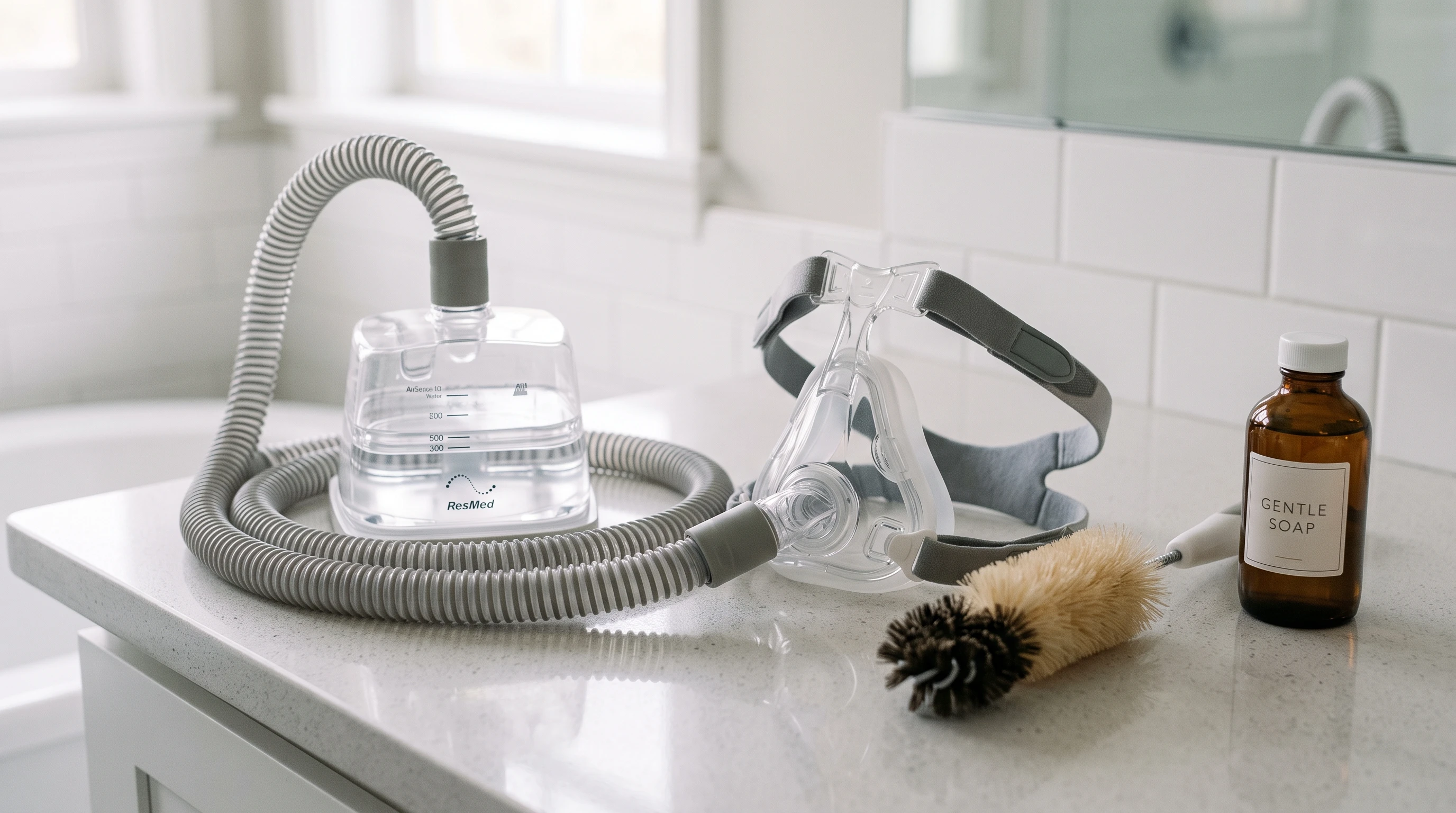
 Keeping a CPAP (Continuous Positive Airway Pressure) machine clean is something I truly value because it helps my equipment last longer and keeps my sleep therapy safe. When I stick to a regular cleaning routine, I notice that the air smells fresher, and I feel more at ease about not breathing in dust, mold, or germs. If you’re new to using a CPAP, tracking down the best ways to keep it clean really boosts comfort and safety every night.
CPAP cleaning doesn’t need to be overwhelming or complex. I like to keep things simple, and I’ve found that developing a handful of easy habits helps me make the process quick and manageable. Keeping up with regular maintenance drastically reduces frustrations like musty smells, mask leaks, or the risk of picking up a bug. In this article, I’ll lay out all my tried-and-true steps, share the dos and don’ts of cleaning, and answer some frequent questions to help you keep your CPAP in next-level cool shape.
Why Cleaning Your CPAP Machine Matters
My CPAP machine keeps my breathing steady all night, but it performs best when I give it a good clean. Over time, oils from my skin, stray dust, and lingering moisture build up in the hose, mask, and water chamber. This buildup means bacteria or mold may start to grow, which can impact the air I breathe and sometimes irritate my nose or lungs.
If I let routine cleaning slide, the machine picks up odd smells, gets some mineral buildup, and even shows some visible grime. Along with being unsanitary, letting things go can wear out my equipment much faster. Consistent cleaning keeps my therapy working smoothly and helps protect my health.
My Daily and Weekly CPAP Cleaning Routine
Daily Cleaning Steps
- Wipe down the mask and cushion. Every morning, I carefully remove the mask and use a damp cloth or a CPAP wipe to gently clean away any oils or residue left from the night before. This keeps things fresh and prolongs the life of the mask.
- Empty and rinse the humidifier chamber. I pour out any leftover water and rinse the chamber well with warm water, then leave it to air dry naturally.
- Check the tubing. A quick check helps me spot any leftover moisture, debris, or kinks in the tubing, so I can deal with them before they get worse.
Weekly Cleaning Steps
- Disassemble all removable parts. Before anything, I unplug the machine and take apart the mask, tubing, humidifier chamber, and headgear.
- Wash with mild soap and water. I choose lukewarm water and mild, scentfree soap instead of anything strong. I soak each piece for around 5–10 minutes, using a soft brush or cloth to clean hard-to-reach spots in the mask, chamber, and tubing.
- Rinse thoroughly. It’s important to wash away any soap left behind, so I give each part a good rinse with clean water.
- Air dry completely. I hang the tubing on a towel rack, spread the mask and chamber out on a clean towel, and make sure everything dries fully out of the sun.
Supplies I Use for Cleaning CPAP Equipment
- Mild, scentfree soap. Strong cleaners can damage silicone and leave behind unwanted scents.
- Softbristled brush or CPAP cleaning brush. I use a brush to tackle the inside of the hose and humidifier chamber where residue, moisture, and dust can collect.
- Clean towels or paper towels. Drying the pieces well after washing keeps germs and mold from growing.
- Distilled water. Filling my humidifier with distilled water decreases mineral deposits, helps things stay cleaner, and gives my equipment a longer life.
Dos and Don’ts When Cleaning a CPAP Machine
DO:
- Always unplug your CPAP before disassembling or washing any parts.
- Stick to gentle soap and warm water to keep your equipment safe from damage.
- Be thorough when rinsing to remove any remaining soap.
- Let everything dry out all the way before putting it back together.
- Swap out filters as the user manual suggests; some are disposable, while others are washable and need weekly attention.
DO NOT:
- Don’t use bleach, alcohol, or harsh chemicals; they could ruin parts or irritate your airways.
- Don’t wash the CPAP unit itself. Only clean the hose, mask, and humidifier chamber.
- Don’t rebuild the device until everything is fully dry. Moisture makes it easy for bacteria and mold to thrive.
- Don’t let water come near the main electrical unit, since that could damage your device.
- Don’t ignore cracked, cloudy, or worn parts; replace as needed to keep therapy effective and safe.
Keeping Equipment in Good Condition
Picking a regular day each week for a deep clean really helps me stay on track. I also pay close attention to the manufacturer’s suggestions for replacing parts. Usually, I swap masks and tubing every few months, and change out air filters as soon as they look dirty or start turning color.
I keep my CPAP pieces stored in a dry, clean space, away from pets or dusty shelves. When I’m on the move, I always pack a few cleaning wipes and a small bottle of mild soap, so I can stick to daily cleaning no matter where I spend the night. Even a quick daily clean is better than nothing and keeps everything feeling fresh.
Common Questions About CPAP Cleaning
What if I forget to clean for a few days?
If I go a couple of days without cleaning, I quickly spot a thin film on the mask or smell something off. When that happens, I make sure to wash every part more thoroughly before using the machine again. Any signs of mold or tough buildup mean I switch out those parts right away to stay safe.
Can I use CPAP cleaning machines?
I’ve tested ozone and UV CPAP cleaning devices, but I still give everything a proper weekly wash by hand. Manufacturers tend to recommend regular cleaning with soap and water because these machines can’t fully replace hand washing. Always double-check your device’s recommendations to play it safe.
What should I do if I get sick?
If I catch a cold or any bug, I clean my CPAP parts daily until I feel better. This simple step helps stop germs from sticking around and lowers the risk of getting sick again.
My Action Plan for Long-Lasting CPAP Care
- Wipe the mask down with a damp cloth every morning.
- Empty and rinse the humidifier chamber, allowing it to dry fully each day.
- Put a recurring reminder to deep clean every week.
- Replace filters and worn components on the manufacturer’s suggested schedule.
Gentle, regular cleaning keeps my CPAP working right and lets me breathe easily at night. It helps me get the most out of my sleep therapy for years to come. Feel free to share your own tips or reach out if you have any questions about CPAP cleaning. Together, we can keep our equipment running strong and safe!